In the Australian desire to have a comfortable home we tend to concentrate on the most expensive things: the reverse-cycle air conditioning unit, the ceiling insulation, or the top-performing fridge. The blinds that you place on your windows are a surprising player in energy efficiency. They are often overlooked. The windows in our climate, with its hot summers and frigid winters, are the principal source of heat that isn't needed. It's not only about style and privacy when you treat them with the correct window furniture. They also increase your home's energy efficiency which has a tangible impact on your budget. The solution lies in the engineered fabric created to trap the heat, then reflec-te it and insulate.
Understanding the problem as well as the physics behind the window is crucial to understanding the opportunity. Glass is a poor insulator. In summer, it serves as a magnifying device, allowing solar shortwave radiation to penetrate your home. It is then taken up by furniture and floor and reradiated outwards, creating the greenhouse effect. In winter, it's reversed. The radiant heat of your heater escapes through the windows that are cold. Blinds made of standard materials consist of just one layer of fabric or vinyl. They only provide a modest amount as a barrier. They might be able to stop glares but are not able to stop the heat from convecting. Real magic is achieved with designs that use reflective technology and trapped air.
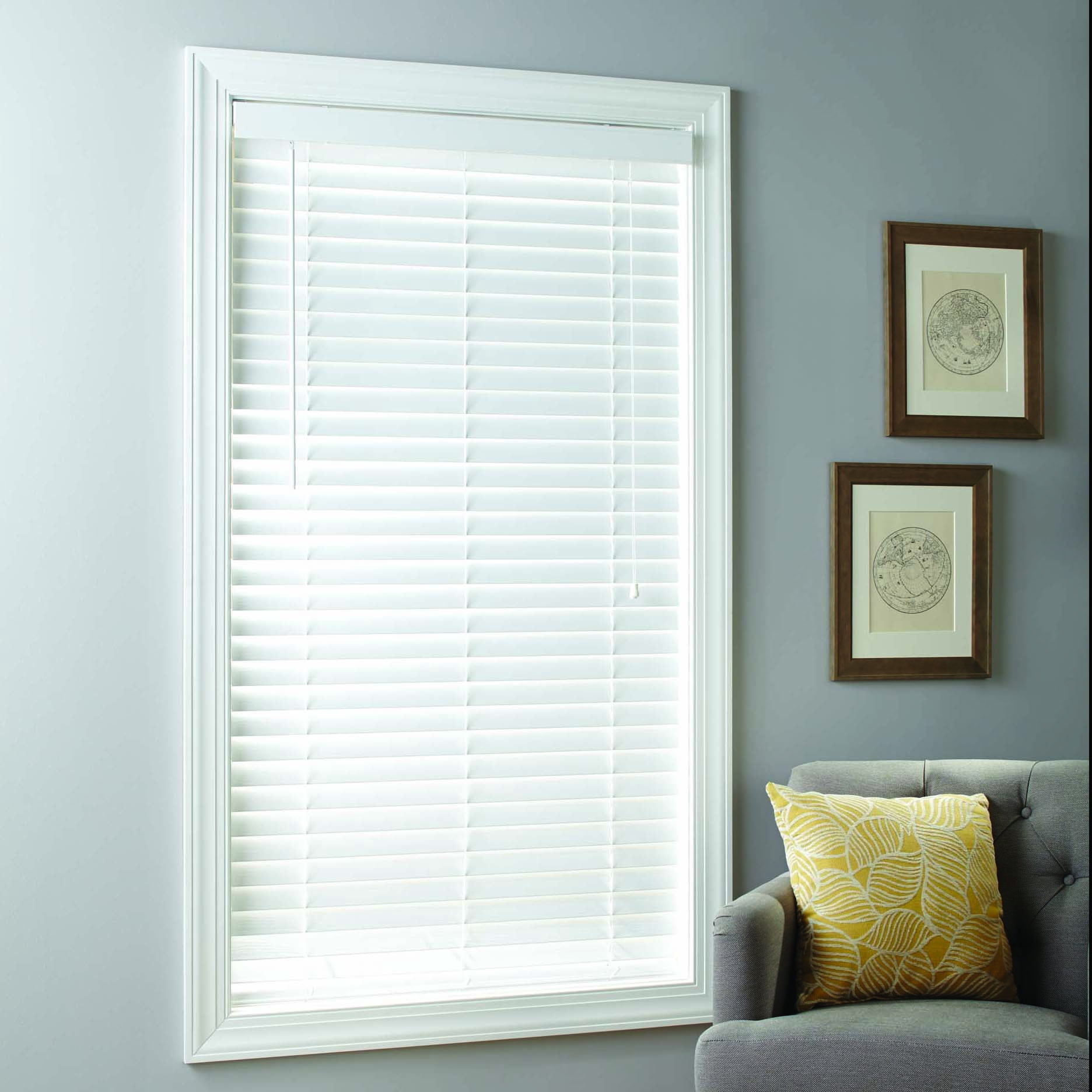
Here are two blind designs that deserve to be praised for their performance at home: honeycomb blinds (or cellular blinds) and thermal-backed blinds.
The Reflective Shield The Reflective Shield: Thermal-Backed Roller Blinds
Imagine them as an insulation foil bag. A blockout roller blind transforms into a thermal powerhouse thanks to the addition of an extremely thin, and often metallic layer that is bonded to the back of the fabric. It is the key to this layer. In the summer, this layer is flipped outwards after the blinds have been reduced. It is a kind of mirror that reflects solar heat before it penetrates the glass. It is an active defence. In winter, the same principle is also effective. The reflective layer is now looking into the space. The reflective layer reflects the heat back to you instead of letting it go through the window. It's simple and elegant, yet highly efficient. It transforms the basic blind into a highly effective system for controlling the temperature. Find products that say their "Total Solar Energy Rejected" or TSER percent. A quality thermal-backed window blind is able to block up to 70% of solar heat.
Honeycomb Blinds (Cellular Blinds) The Insulating Trap
While thermal blinds reflect honeycomb blinds, they insulate with amazing architectural design. The hexagonal cells that resemble beehives are not only a decorative element, but are also miniature insulators. The vertical columns of fabric are able to trap pockets of quiet, unnoticed air as the blinds are pulled down. Static air is nature's most effective insulator. This is the reason behind double-glazed window and cavity wall insulation. The trapped air pockets create a buffer between the glass of your window and the room. The air pockets significantly reduce heat transfer in both directions. When there is a heatwave, blasting temperature of the glass is slower to warm the air within the cells, which slows the warming of your room. Your internal heat is kept at bay by the icy window on a frosty day. The effect is amplified with double-cell designs that feature two layers, stacked of cells to create an even deeper air barrier. Honeycomb blinds are a great choice for dual-season use. They're equally effective at keeping heat in and out.
Utilizing the product with care is more crucial than just purchasing it. Seals are crucial. When there is a gap in the seal, efficiency will be diminished. Professional installation and measurement is essential. A blind installed perfectly in a window recess or inside mount, provides a better seal than one that hangs out from the frame. For installations that are face-fit side channels are added to guide the blind and eliminate light and air gaps. The most important thing to consider is how they are operated. To block summer sun, blinds must be fully closed during high heat hours. Closing them as soon the sun goes down will help to keep you warm in winter.
When consulting with suppliers, shift the conversation from just colour and cost-per-square-metre. Make sure you ask the technical questions that reveal true performance: "What is the R-value or insulation rating of this honeycomb-shaped cell?" "Does this roller blind have a reflective thermal back, and what is the TSER percentage?" "How do your installations ensure a tight seal to prevent air loss?" Reputable companies will have this data and will know the language of home Physics.
The logic behind the financials is convincing. The initial cost of thermal blinds or honeycomb blinds could be more expensive than the basic models. However, this shouldn't be considered as a expense, but instead as a long-term investment. The heating and cooling system's workload can be reduced significantly, reducing the cost of operating it. In the long run, when blinds last (which could last for 10-years or more) the savings in energy bills will be enough to pay for them. It's more than just a window treatment and a means to cut down on your power bill.
Ultimately, selecting blinds that are energy efficient is a conscious step toward a more resilient and sustainable Australian home. It's about using a smart design that allows our climate to adjust, instead of combating it. This provides a more stable temperature and a more comfortable environment. The insulation hidden in your blinds is an excellent way to increase household efficiency particularly at a time when energy costs are rising and awareness of the environment is growing. It's a small improvement that pays off in terms of comfort and in cash, season after season. Follow the top blinds for site tips including blinds off, custom shutters online, quality window shades, factory direct plantation shutters, call factory direct, custom order blinds, cheap blinds direct, direct window shades, blinds prices, blinds and blinds and more.
The Fine Print Guarantee: How To Decode Blind Warrantys Before Buying
When choosing blinds for your home in Australia it is common for the warranty to be overlooked. When the fabric samples and quotes are compared it's easy to overlook the significance of this document. This document is typically presented to the client as a last reassurance or proof of the quality. Yet, in practice, a warranty is not a generic guarantee of satisfaction, but rather an legally binding contract that clearly defines the boundaries of a provider's liability. Blinds comprise electronic, mechanical and textiles that are continuously exposed to the harsh Australian sun salt, as well as usage. Knowing the fine print can be the difference between having an investment protected and a costly mistake. The worth of a warranty is not only in the length, but also in its clear, precise coverage.
First, and perhaps most commonly, people focus on the warranty's duration. "A 5-year warranty" might sound appealing, however it's not certain what exactly is included. A solid warranty will break the coverage down into distinct categories, as each component could fail in different ways. The warranty for fabric or material is required to cover manufacturing defects, including defective weaving and delamination as well as premature fading. For Australia this is crucial. You should look for a fade guarantee stated in specific terms for example "guaranteed not to fade by more than X% over the course of Y years in normal indoor conditions." Be wary of phrasing that is unclear. This warranty is invalid if it is used on an exterior or in unventilated, persistently humid areas.
In addition, the mechanical component warranty covers the working parts that roll in a blind roller, the tilt and lift system in Venetians along with the cords and ladders. The warranty must cover any damage caused by wear and tear or manufacturing defects under normal operating conditions. Importantly, If the cleaning or maintenance guidelines are followed, this warranty will be valid. The motors and electronics warranties are offered for systems that are automated. It's typically the least expensive of the three (commonly two to three years, even if the fabric is 5), reflecting the more complicated technology. It should cover all parts including the receivers, motors, as well as any wiring.
The list of conditions and exclusions in the warranty document is the most important element and is often neglected. The list of the exclusions and conditions is the place to find the obligations. These are some of the most commonly used exclusions in warranties.
Anyone who is not an authorised installer from the manufacturer can install. It's a major. A DIY installation even if flawless, usually invalidates the entire warranty because the manufacturer is not able to assure the operation conditions or the stress placed on the components.
Improper use or maintenance. Misuse is defined as using harsh products for cleaning, removing a blocked roller blind, or ignoring a simple knot on the cords.
The term "fair wear and tear" or "gradual decrease in performance" is a subjective term that is used by manufacturers to reject claims that mechanisms are wearing out because of frequent use.
The fading or damage can be caused by extreme conditions. If you install a non-coastal-rated blind directly facing the ocean, the rapid corrosion of your blind will likely not be covered.
The warranty itself isn't an independent document. It is directly linked to quality of installation and the after-sales service provided by the supplier. A warranty provided by a long-established, reputable local shop is much superior to a comparable warranty offered by a flimsy online retailer. The local retailer has its own physical location and has installers who's work is protected. They also have a relationship with the manufacturer, which allows them to speed up claim processing. It is the best for them to honor warranty contracts to safeguard the reputation of their local community. It is often difficult to file a claim for an organization that is located far away. There are call centres and upload photos. The tech may not show up.
Asking specific questions is the best method to obtain the answers you want from suppliers. It is possible to ask questions like: "Can I see the warranty contract before I sign the contract?" or "Does it include the colour I picked and what threshold is defined for a valid claim?" Or "What happens if a motor breaks down after a year?" Should you replace the motor on the spot, or do I send it to an international service center?" "If a fault occurs, who is my contact person--my local office or a national hotline?"
Australian Consumer Law guarantee is included in the purchase. This is regardless of the warranty provided by the manufacturer. ACL stipulates that all goods should be of sufficient value, appropriate to their intended use, and conform to their description. This may provide protection past a warranty's expiry in the event of a major failure that would not be expected to occur for the price paid. ACLs can take more time and energy to claim than a simple warranty claim.
A good warranty is an indication of the trust a manufacturer has in its product. It's been tested according to Australian conditions. It's your formal guarantee against defects. This isn't an insurance against every possibility of a problem. Its strength is accessed when you pair it with a service provider with a track record of integrity, who guarantees correct installation and stands in your corner. The aim is not to just get a warranty, but also have a realistic and clear resolution plan should something unimaginable happens. This is vital in the Australian market, where products are exposed to the most extreme sun conditions on the planet. It turns a promise to tranquility into a concrete thing that can be done.